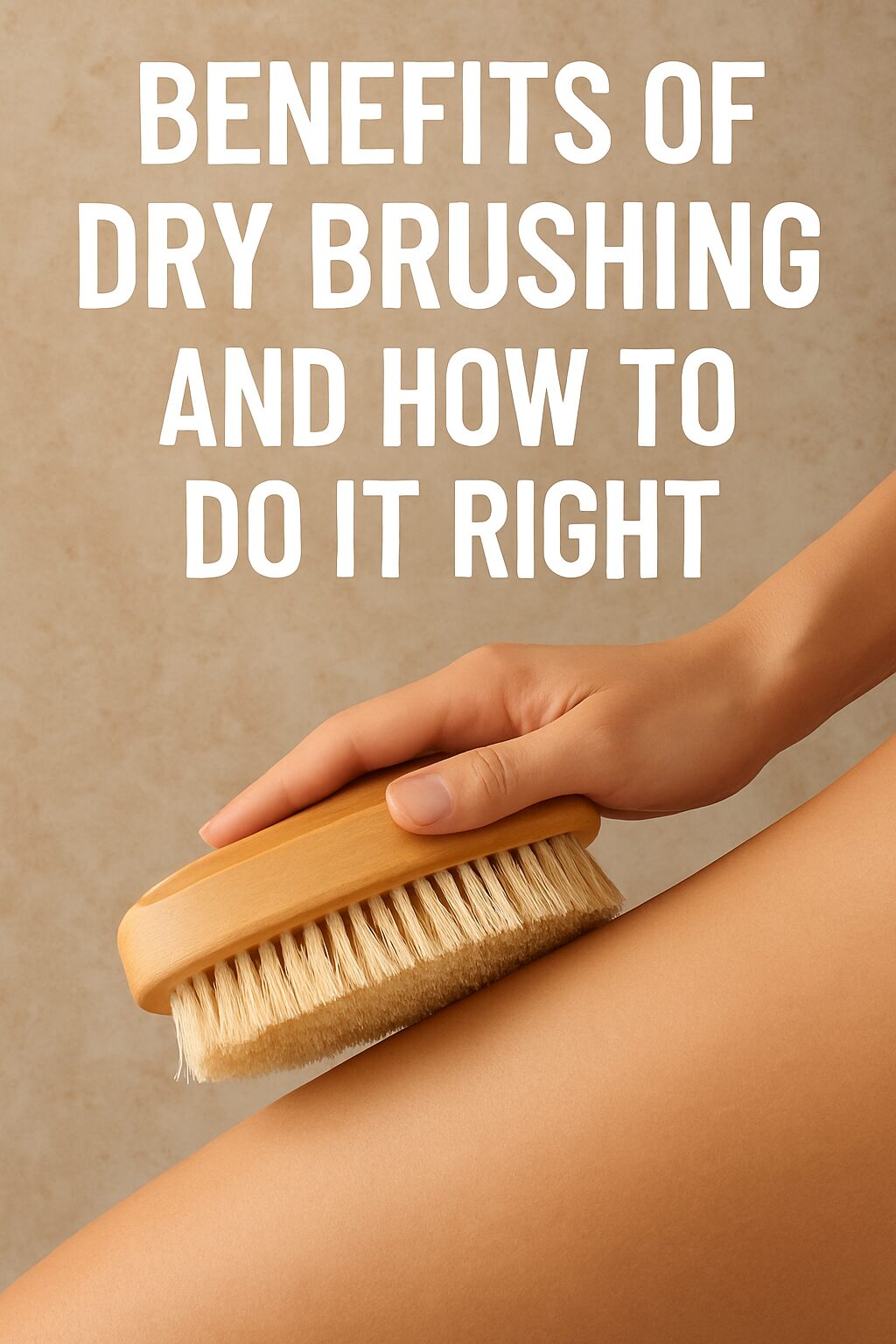
Dry brushing is an ancient wellness practice that has gained popularity in recent years due to its many potential health benefits. It involves using a natural bristle brush to gently exfoliate the skin, stimulate circulation, and promote overall skin health. While simple to perform, dry brushing can have a surprisingly positive impact on your body and mind when done correctly.
In this article, we will explore the key benefits of dry brushing, explain the proper technique, and provide tips to make it a safe and effective part of your self-care routine.
What is Dry Brushing?
Dry brushing involves brushing the skin with a dry, firm-bristled brush before showering or bathing. Unlike wet brushing, dry brushing is done on bare, dry skin and is intended to exfoliate dead skin cells, improve circulation, and encourage lymphatic drainage.
The brush typically has natural bristles and a long handle to reach various parts of the body easily.
The Benefits of Dry Brushing
1. Exfoliation and Smoother Skin
One of the most immediate benefits of dry brushing is the removal of dead skin cells. This exfoliation helps to unclog pores, reduce ingrown hairs, and promote smoother, softer skin. Over time, regular dry brushing can improve skin texture and enhance its natural glow.
2. Improved Circulation
The brushing action stimulates blood flow to the surface of the skin. Increased circulation delivers more oxygen and nutrients to skin cells, promoting healthier skin and aiding in cell regeneration.
3. Lymphatic System Support
The lymphatic system plays a crucial role in removing toxins and waste from the body. Dry brushing can stimulate lymph flow and encourage the body’s natural detoxification processes. By targeting lymph nodes with gentle strokes, dry brushing helps keep your immune system functioning optimally.
4. Reduced Appearance of Cellulite
Some proponents claim that dry brushing helps reduce the appearance of cellulite by breaking down fat deposits beneath the skin and improving circulation. While scientific evidence is limited, many people notice smoother skin after consistent dry brushing.
5. Stress Relief and Energizing Effect
Dry brushing can have a refreshing and invigorating effect on the body. The sensory stimulation activates the nervous system and can help reduce stress and mental fatigue, leaving you feeling energized and more awake.
How to Dry Brush Properly
To get the most out of dry brushing and avoid any potential skin irritation, it’s important to follow the correct technique:
- Choose the Right Brush
Select a natural bristle brush with firm, but not harsh, bristles. Avoid synthetic brushes as they may irritate the skin. - Start with Clean, Dry Skin
Dry brushing should be done before showering or bathing on completely dry skin. - Use Long, Sweeping Strokes
Begin at your feet and brush upwards toward your heart using long, gentle strokes. Brush each area multiple times but avoid scrubbing too hard. - Brush in the Direction of Lymph Flow
Focus on brushing towards lymph nodes located in your armpits, groin, and neck to encourage lymph drainage. - Cover All Areas
Don’t forget your legs, arms, stomach, back, and chest. Avoid brushing sensitive areas like the face or broken skin. - Shower After Brushing
Rinse off dead skin cells and impurities with a warm shower after dry brushing. - Moisturize
Apply a natural moisturizer like coconut oil or shea butter to nourish and hydrate your skin after brushing.
How Often Should You Dry Brush?
Most experts recommend dry brushing 3-4 times a week. However, if your skin is sensitive, start with once or twice a week and increase as tolerated. Over-brushing can cause irritation or redness, so listen to your skin’s response.
Precautions and Who Should Avoid Dry Brushing
While dry brushing is generally safe, it’s not recommended for people with certain skin conditions such as eczema, psoriasis, open wounds, or sunburned skin. Pregnant women should consult their healthcare provider before starting dry brushing.
Always perform a patch test on a small area of skin to ensure you don’t experience any adverse reactions.
Tips to Enhance Your Dry Brushing Routine
- Use a brush with a long handle to reach your back comfortably.
- Replace your dry brush every 6-12 months to maintain hygiene.
- Incorporate dry brushing into your morning routine for an energizing start.
- Follow up with a relaxing bath or shower to wash away dead skin.
- Combine dry brushing with a healthy diet and regular exercise for overall skin health.
Conclusion
Dry brushing is a simple yet powerful practice that can improve skin health, support detoxification, and promote a sense of well-being. By exfoliating dead skin cells and stimulating circulation, dry brushing helps your skin look radiant and feel smooth.
When done correctly and consistently, dry brushing can be an enjoyable addition to your self-care routine with benefits that go beyond the skin. Try incorporating dry brushing into your wellness habits and experience the natural glow and vitality it brings.