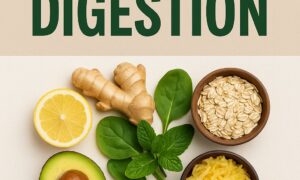
An upset stomach can quickly disrupt your day, causing discomfort, nausea, bloating, or indigestion. While over-the-counter medications offer relief, many people turn to herbal teas as a natural and gentle way to calm digestive distress. Herbal teas have been used for centuries for their soothing properties, and many blends can help ease the symptoms of an upset stomach while supporting overall digestive health.
In this article, we’ll explore some of the best herbal teas known for their stomach-soothing benefits, how they work, and how to prepare them at home.
Why Herbal Teas Help With Digestive Issues
Herbal teas contain natural compounds such as antioxidants, anti-inflammatory agents, and muscle relaxants that work together to ease the digestive tract. They help reduce cramping, decrease inflammation, and promote the movement of food through the stomach and intestines, reducing discomfort.
Many herbal teas also aid in hydration, which is important during bouts of upset stomach, especially if vomiting or diarrhea occurs. Drinking warm fluids helps keep the digestive system hydrated and functioning smoothly.
Top Herbal Teas for Soothing an Upset Stomach
1. Ginger Tea
Ginger is one of the most widely recognized remedies for nausea and digestive upset. It contains compounds called gingerols and shogaols, which have anti-inflammatory and antiemetic properties. Ginger tea can relieve nausea, reduce bloating, and speed up digestion.
How to prepare: Peel and slice fresh ginger root. Boil in water for 10–15 minutes, then strain and sip slowly. You can add honey or lemon for taste.
2. Peppermint Tea
Peppermint tea has a calming effect on the gastrointestinal tract. It relaxes the muscles of the digestive system, helping to relieve cramps, gas, and bloating. Peppermint also freshens breath and can reduce feelings of nausea.
How to prepare: Steep fresh or dried peppermint leaves in hot water for 5–10 minutes. Strain and enjoy.
3. Chamomile Tea
Chamomile is known for its anti-inflammatory and antispasmodic effects, making it helpful for soothing an irritated stomach lining and relaxing muscles. It can also promote sleep, which is beneficial when digestive discomfort interferes with rest.
How to prepare: Steep chamomile flowers in hot water for 5–7 minutes. Strain and drink before bedtime or as needed.
4. Fennel Tea
Fennel seeds help relax the muscles in the digestive tract and reduce gas buildup. Fennel tea is often used to relieve indigestion, bloating, and cramps.
How to prepare: Crush a teaspoon of fennel seeds and steep in hot water for 10 minutes. Strain before drinking.
5. Licorice Root Tea
Licorice root has soothing and anti-inflammatory properties that can help protect the stomach lining from irritation. It’s particularly useful for heartburn and acid reflux. However, those with high blood pressure should consult a doctor before use.
How to prepare: Steep licorice root in hot water for 5–10 minutes, strain, and drink in moderation.
How to Use Herbal Teas for Best Results
- Start with small amounts: If you’re new to herbal teas, begin with small quantities to ensure you don’t have any adverse reactions.
- Drink warm, not hot: Warm tea soothes the stomach better than very hot liquids.
- Stay hydrated: Drink plenty of fluids alongside herbal teas to stay hydrated, especially if experiencing vomiting or diarrhea.
- Avoid caffeine: While some teas like green or black tea contain caffeine, it’s best to avoid these when your stomach is upset.
When to See a Doctor
While herbal teas can be very helpful, persistent or severe stomach pain, blood in stools, prolonged vomiting, or dehydration require medical attention. Herbal remedies should complement, not replace, professional medical advice.
Final Thoughts
Herbal teas offer a gentle, natural way to soothe an upset stomach and ease digestive discomfort. Ginger, peppermint, chamomile, fennel, and licorice root teas each bring unique benefits that help relax the digestive tract, reduce inflammation, and calm nausea. By incorporating these teas into your routine during digestive distress, you can find comfort and support your body’s natural healing processes.