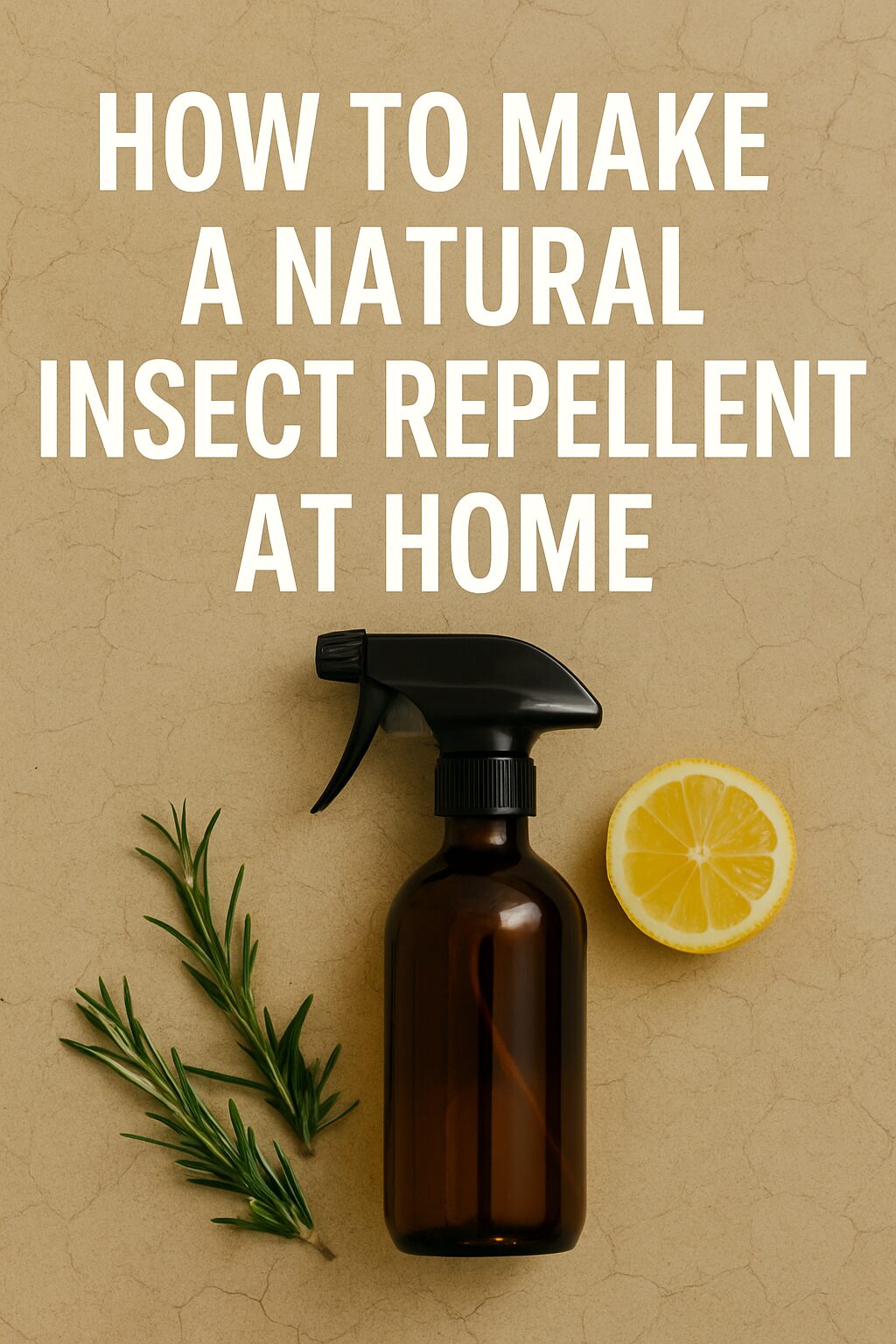
When the warmer months roll around, spending time outdoors becomes a joy. Picnics, evening walks, camping trips, and backyard barbecues bring people together. But along with the fresh air and sunshine come the not-so-welcome guests: mosquitoes, flies, and other pesky insects. While commercial insect repellents are widely available, many contain chemicals like DEET, which some people prefer to avoid. If you’re looking for a safer, eco-friendly alternative, making your own natural insect repellent at home can be both fun and effective.
In this guide, we’ll explore the best natural ingredients, the science behind why they work, and step-by-step recipes you can try today.
Why Choose a Natural Insect Repellent?
Many store-bought repellents rely on synthetic chemicals that, while effective, may irritate sensitive skin or have a strong, unpleasant smell. Some individuals also prefer to reduce their exposure to unnecessary chemicals for health or environmental reasons.
Natural repellents offer several benefits:
- Gentle on the skin – When made with the right ingredients, they’re less likely to cause irritation.
- Eco-friendly – Essential oils and natural bases often break down quickly without harming the environment.
- Customizable scents – You can create a pleasant aroma you enjoy while keeping bugs away.
The Science Behind Natural Ingredients
Certain plants produce strong scents as a natural defense mechanism to deter insects. These scents often come from essential oils, which can mask the human scents that attract mosquitoes and flies.
Here are some of the most effective essential oils for repelling insects:
- Lemon eucalyptus oil – Proven to be one of the most effective natural mosquito repellents.
- Lavender oil – Not only repels insects but also has a calming scent.
- Tea tree oil – Has antibacterial and insect-repelling properties.
- Peppermint oil – The strong menthol scent confuses insects.
- Citronella oil – A classic choice for keeping mosquitoes at bay.
Ingredients You’ll Need
For a simple, effective repellent, you’ll need:
- 10–15 drops lemon eucalyptus essential oil
- 10 drops lavender essential oil
- 5 drops tea tree or peppermint essential oil
- 2 tablespoons witch hazel or vodka (helps blend oils and prolong shelf life)
- 2 tablespoons carrier oil (like coconut oil, jojoba oil, or almond oil) or distilled water
- A small spray bottle (preferably dark glass to protect oils)
Step-by-Step Recipe
1. Choose your base.
If you prefer a light spray, use distilled water and witch hazel as your base. If you want a more moisturizing formula, choose a carrier oil like coconut or jojoba.
2. Add the essential oils.
In your spray bottle, add the lemon eucalyptus, lavender, and tea tree oils. These will form the active bug-repelling blend.
3. Mix with your base.
Pour in the witch hazel (or vodka) first, then add your carrier oil or water. This helps the essential oils disperse evenly.
4. Shake well before each use.
Since oils and water naturally separate, shake the bottle before spraying to ensure an even mixture.
5. Apply to exposed skin.
Spray lightly on arms, legs, and clothing. Avoid contact with eyes and mouth.
Tips for Effectiveness
- Reapply every 2–3 hours, especially if you’re sweating or in humid conditions.
- Store the repellent in a cool, dark place to maintain potency.
- For children under 3 years old, use fewer drops of essential oils and avoid peppermint and eucalyptus.
Other Natural Bug-Repelling Methods
While sprays are convenient, you can also try other natural tricks:
- Candle method – Add citronella oil to melted soy wax and make your own bug-repelling candles.
- Herb planters – Keep pots of basil, lavender, and mint around your outdoor seating area.
- Clothing treatment – Lightly mist your clothes with the repellent before going out.
Safety Notes
Even natural ingredients can cause allergic reactions. Do a small patch test before using the repellent all over your body. Pregnant women and people with respiratory issues should consult a doctor before using essential oils.
Final Thoughts
Making your own natural insect repellent at home is simple, affordable, and customizable. Not only will you avoid harsh chemicals, but you’ll also enjoy a product that smells pleasant and is kind to your skin. With the right combination of essential oils, you can enjoy summer evenings outdoors without the constant buzzing and biting.